
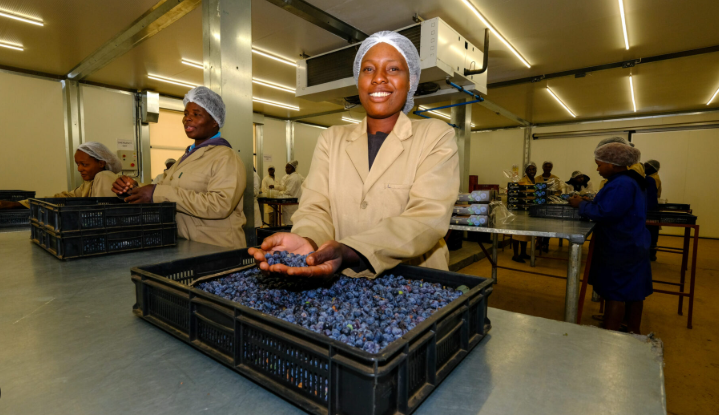
Zimbabwe is quietly building a serious blueberry industry, and that creates opportunities far beyond simply owning a large commercial farm. Blueberries are a premium fruit with demand from supermarkets, hotels, restaurants and export markets. The big question for an entrepreneur is not just “Can I grow blueberries?” but “How can I build a business around Zimbabwe’s growing blueberry industry?”
The Opportunity
Blueberry farming can be developed on relatively small plots compared with many traditional agricultural businesses, although successful production requires careful planning, suitable varieties, irrigation, soil or growing media, plant nutrition, pest management and reliable access to water. Zimbabwe’s climate and agricultural experience provide opportunities for commercial production in suitable areas, while the country’s established export industry demonstrates that blueberries can become a serious commercial crop.
Export Potential
Zimbabwe already exports blueberries, and the industry has been expanding. China has also become a new export destination, adding another potential market for Zimbabwean producers and exporters. This matters because premium export markets can create demand for consistent quality, grading, packaging, cold storage and reliable transport. However, entrepreneurs should investigate current export regulations, phytosanitary requirements, market prices and buyer specifications before investing.
You Don’t Need To Be The Farmer
The most interesting part is that you do not necessarily need hundreds of hectares to participate. A small grower could produce blueberries for an established buyer or exporter, subject to meeting their quality and supply requirements. Other entrepreneurs could establish nurseries supplying blueberry plants, provide irrigation installation and maintenance, sell fertiliser and agricultural inputs, construct growing structures, or provide technical farm services.
The Business Around The Business
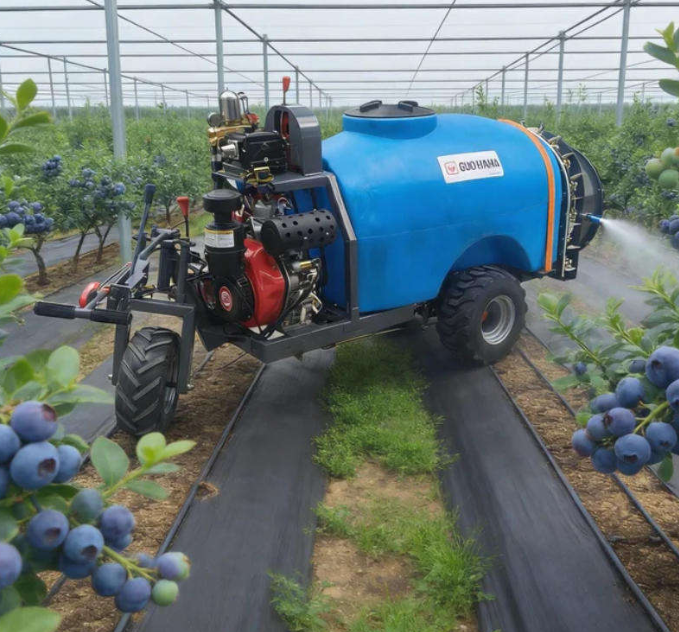
Think about everything that happens between a blueberry plant and an overseas customer. Somebody supplies plants. Somebody installs irrigation. Somebody supplies packaging. Somebody provides electricity or solar backup. Somebody transports the fruit. Somebody operates cold storage. Somebody grades and packs it. Somebody connects farmers with exporters. This means the blueberry boom can potentially create opportunities for farmers, suppliers, transporters, technicians, brokers and service businesses.
Equipment Opportunity
There is also an equipment angle. International suppliers, including Alibaba suppliers, offer equipment and systems relevant to commercial horticulture, including irrigation equipment, greenhouses and growing structures, fruit grading and packing equipment, refrigeration and cold-storage systems
An entrepreneur could potentially import equipment for their own operation or become a local equipment supplier, installer or maintenance provider. Alibaba prices should only be treated as indicative supplier information because freight, duties, installation and other costs can significantly change the final Zimbabwean cost.
The Bigger Idea
The real lesson is to stop thinking about farming as simply planting something and selling the harvest. Look at the entire value chain. Could you grow blueberries? Supply the growers? Aggregate produce from small farmers? Provide transport? Build cold rooms? Supply packaging? Process rejected or surplus fruit into juice, jam or dried fruit? Or become a middleman connecting producers with buyers? The opportunity may be in the crop itself—or in everything surrounding it.
Call To Action
Zimbabwe’s blueberry industry shows how changing agricultural markets can create completely new businesses. But before investing, entrepreneurs should research land suitability, water availability, electricity or solar requirements, plant varieties, capital costs, labour, local buyers, export requirements and realistic market prices. The opportunity is not a guaranteed profit, but it is a sector worth investigating. For more business ideas and opportunities designed around Zimbabwe’s economy and real-world problems, visit Zimmarketplace.com.
