
Zimbabwe imports significant quantities of fuel, so what if part of the country’s fuel demand could be supplied from locally available waste oils and agricultural resources? Biodiesel is a renewable fuel that can be produced from suitable vegetable oils, used cooking oil and other feedstocks. That creates an interesting opportunity at the intersection of energy, agriculture, waste and manufacturing.
From Fryer to Fuel Start Your Zimbabwe Biodiesel business today
One possible business model is collecting used cooking oil from restaurants, hotels, takeaways and food manufacturers. Instead of allowing this waste to be discarded, a business could collect, filter and process it into biodiesel or sell the collected oil to an approved biodiesel producer. The collection network itself could become a business.
Agriculture could provide another source of feedstock. Crops producing suitable oils could potentially supply biodiesel production, creating a connection between farmers and energy manufacturers. However, the economics depend heavily on the crop, oil yield, land requirements, processing costs and competing uses for the oil, so careful feasibility research is essential.
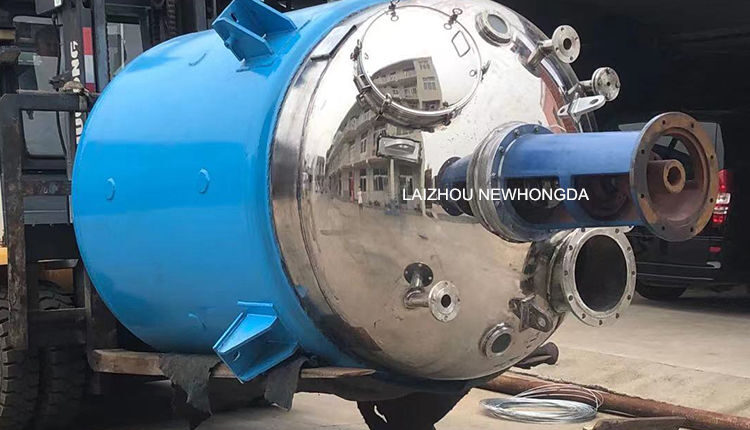
The manufacturing process involves more than simply mixing oil and fuel. Biodiesel production requires appropriate processing equipment, chemical inputs, quality control, storage and trained operators. Businesses must also deal with potentially hazardous materials, waste products and emissions. Proper industrial, environmental and fuel-quality regulations would therefore be essential.
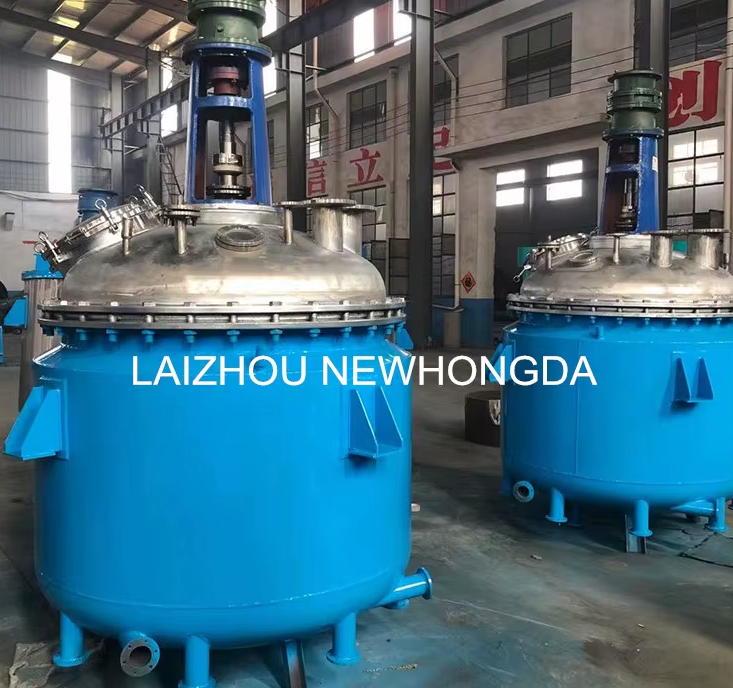
Equipment is another potential opportunity. International suppliers, including Alibaba, offer small biodiesel processors as well as larger commercial production equipment. An entrepreneur could potentially establish a production facility, provide processing as a service, or become an equipment supplier and installer. Imported machinery should be evaluated carefully for specifications, safety, spare parts, freight and local operating conditions.
There could also be a strong collection and aggregation model. Imagine a company placing used-oil collection containers at restaurants across Harare, Bulawayo, Mutare or other cities, collecting the oil regularly and transporting it to a processing facility. Restaurants get a waste-disposal solution while the processor receives a potential raw material.
Potential customers could include businesses operating diesel vehicles, generators, agricultural machinery, construction equipment and other diesel-compatible applications, subject to fuel specifications, engine compatibility and applicable regulations. The business should never assume that any biodiesel blend is automatically suitable for every engine.
The opportunity is therefore bigger than simply “make biodiesel.” It could involve collecting waste oil, supplying feedstock, manufacturing fuel, selling processing equipment, providing technical services or building a local renewable-fuel supply chain. Before investing, investigate Zimbabwean licensing, fuel standards, environmental requirements, chemical handling, feedstock availability and production economics. Find more Zimbabwe business ideas and opportunities at Zimmarketplace.com.
